The choice between OEM and stock packaging can define your brand’s trajectory.
Every beauty brand faces a critical packaging decision: go with ready-made stock packaging or invest in custom OEM solutions. This choice impacts your brand identity, cash flow, time to market, and long-term scalability. Having guided hundreds of brands through this decision at Yuzhuang Packaging, we’ve developed a framework to help you choose wisely.
Stock Packaging: Quick, Affordable, Limited
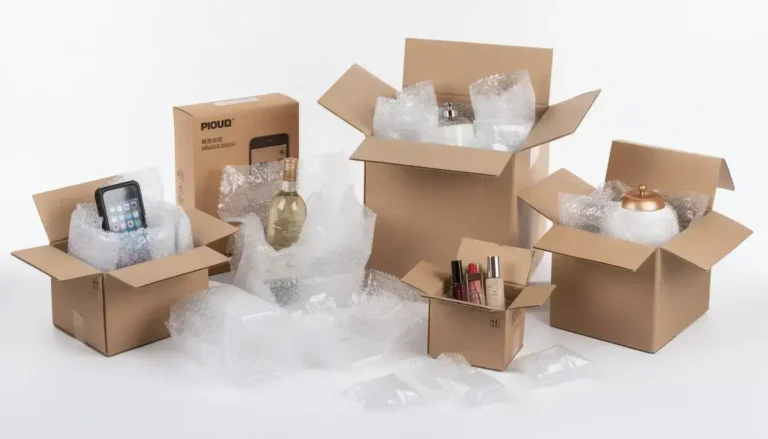
Stock packaging is often the right choice for startups, brands testing new product categories, and limited-edition runs. Advantages: minimal or zero tooling investment (saving $1,000-$3,000 per mold), low MOQs starting at 1,000 pieces, and lead times as short as 2-4 weeks. However, stock packaging comes with trade-offs: limited design options, potential competitor overlap, and difficulty achieving premium positioning.
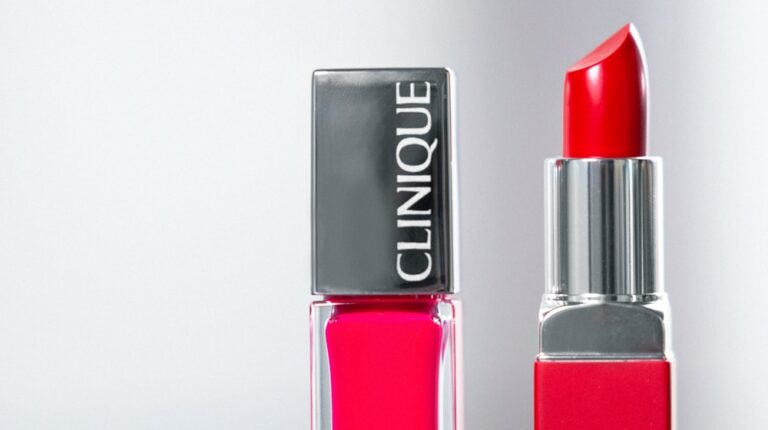
OEM packaging becomes the clear choice as brands mature and differentiate. The investment in tooling pays dividends through brand equity, shelf differentiation, and the ability to command higher price points. OEM also allows for design optimization—you can engineer ergonomic improvements, integrate refill mechanisms, and use sustainable materials that may not be available in stock forms.
The Hybrid Approach: Customization on Stock Molds
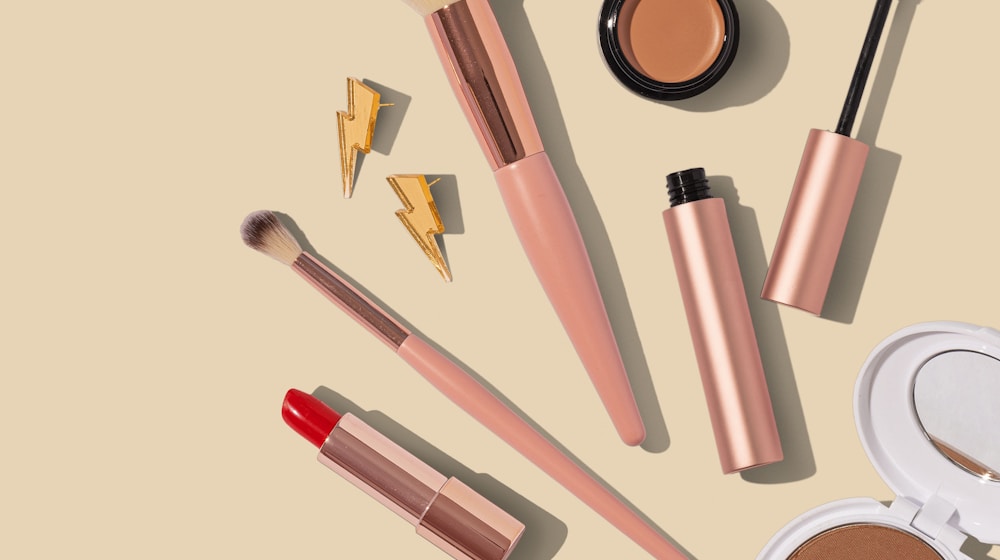
Many brands find an ideal middle ground by using existing stock molds but customizing colors, finishes, and decoration. This approach offers differentiation at a fraction of the investment of full custom tooling. At Yuzhuang, our extensive mold library of over 1,000 designs makes this hybrid approach accessible across all product categories.
Cost Comparison
- Stock packaging: $0.10–$0.40/unit, no tooling cost, MOQ 1,000+
- Hybrid (custom on stock molds): $0.20–$0.60/unit, no tooling cost, MOQ 3,000+
- Full OEM (custom mold): $0.15–$0.50/unit + $1,000–$5,000 tooling, MOQ 5,000+
- Premium OEM (aluminum/advanced): $0.80–$3.00/unit + $3,000–$8,000 tooling, MOQ 5,000+
Decision Framework: 5 Questions to Ask Yourself
- What is your brand positioning? Mass-market brands can succeed with well-decorated stock. Premium brands require OEM distinctiveness.
- What is your timeline? If you need packaging in 2-4 weeks, stock is your only option. If you have 8-12 weeks, OEM is viable.
- What is your budget for tooling? If you can invest $1,000-$5,000 amortized across your production volume, OEM becomes cost-competitive per unit.
- What are your functional requirements? If your formulation requires specific barrier properties or unique applicator designs, OEM may be necessary.
- Where do you see your brand in 2 years? If your growth trajectory leads toward premium positioning, starting with hybrid or OEM avoids costly repackaging later.
Making the Transition
Many successful clients started with stock packaging for their initial launch, validated product-market fit, then transitioned to OEM for their second production run. This approach—launch fast, then differentiate—minimizes upfront risk while building toward a distinctive brand presence. When you’re ready to transition, having your stock packaging specifications and volume data makes the OEM design process significantly more efficient.