
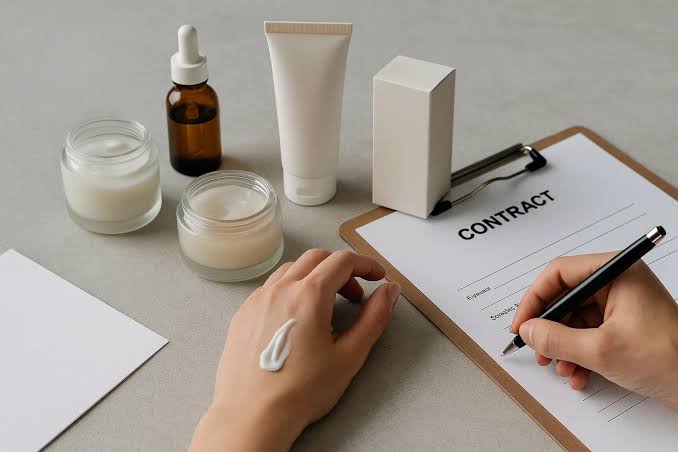
China remains the global hub for cosmetic packaging manufacturing—knowing how to navigate the market is essential.
China produces approximately 70% of the world’s cosmetic packaging, with manufacturing clusters in Guangzhou, Shanghai, Yiwu, and Shantou specializing in different product categories. For beauty brands worldwide, sourcing from China offers unmatched variety, competitive pricing, and deep manufacturing expertise. Here’s our comprehensive guide to navigating this complex market.
Understanding China’s Manufacturing Regions
Guangzhou (Baiyun District): The undisputed hub for cosmetic packaging, particularly mid-to-high-end primary packaging. Home to thousands of packaging manufacturers, mold makers, and raw material suppliers. Our own factory is located in Baiyun District’s Jinzhong Heng Road industrial zone. For brands seeking quality OEM packaging, Guangzhou should be your primary focus.
Shantou / Yiwu: Specialize in lower-cost, high-volume packaging components. Excellent sources for basic stock packaging but may not offer the quality control infrastructure for premium primary packaging.
Shanghai / Suzhou: Home to premium packaging manufacturers serving luxury brands with higher MOQs and prices but exceptional quality.
Step 1: Define Your Requirements Clearly
Prepare a comprehensive brief including: product type and specifications, target quantity, quality expectations and acceptable defect rates, budget range per unit, timeline, and any certifications required (ISO, GMP, REACH, FDA compliance). Incomplete briefs lead to inaccurate quotes and costly revisions.
Step 2: Identify and Vet Potential Manufacturers
Find manufacturers through: industry trade shows (Cosmoprof Asia, China Beauty Expo, Canton Fair), B2B platforms (Alibaba, Made-in-China.com), and industry referrals. When vetting, verify business licenses, request factory audit reports, ask for client references, evaluate communication quality, and be wary of prices that seem too good to be true.
Step 3: The Sampling Process
Expect to go through initial samples, pre-production samples, and golden samples (the final approved reference). Sample fees are standard practice ($50-$200) and are often credited toward the production order. Free samples from unknown suppliers are a red flag.
Step 4: Negotiate Terms and Place the Order
Standard payment terms: 30% deposit with order, 70% balance before shipment. For established relationships, 30% deposit with 70% against shipping documents is achievable. Your purchase order should specify: material specifications, decoration specifications with Pantone codes, quality standards (AQL level), packaging and labeling requirements, delivery terms (Incoterms), and IP protection clauses.
Step 5: Quality Control and Inspection
Never skip quality inspection. Standard: AQL 2.5 for major defects, AQL 4.0 for minor defects. Inspections should occur at incoming material, in-process, and pre-shipment stages. Third-party companies like SGS, Bureau Veritas, and Intertek offer professional inspection services.
Step 6: Logistics and Import Considerations
Air freight: 5-10 days, premium cost, suitable for samples and urgent orders. Sea freight: 25-40 days, economical, suitable for production quantities. Work with a customs broker for correct HS code classification and documentation.
Building Long-Term Partnerships
The most successful sourcing relationships are partnerships, not transactions. Invest in regular communication, visit your manufacturer’s facility when possible, share growth plans, and treat them as an extension of your team. At Yuzhuang Packaging, our longest-standing client relationships span 8+ years.